segunda-feira, 14 de julho de 2008

A entrevista do P. António Leite, SVD a Ir. Ángela Furian, SSpS

Irmãs Missionárias Servas do Espírito Santo com medalha de ouro e de prata
Poderia ser um título relacionado com os jogos olímpicos ou com outras actividades desportivas. Mas não. Estamos, isso sim, perante o reconhecimento público de vidas que se vêm dando entre alegrias e dificuldades. De que se trata, então?
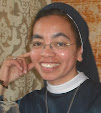
No dia 29 de Junho de 2008, as Missionárias Servas do Espírito Santo, da comunidade de Casal de Cambra, receberam a medalha de ouro de mérito municipal da Câmara Municipal de Sintra. Na mesma altura, a nossa bem conhecida Irmã Ângela Furin recebeu também a medalha de prata, atribuída pela mesma Câmara Municipal de Sintra, pelo considerado mérito municipal.
Os considerandos apresentados pela Câmara Municipal de Sintra são um testemunho claro dos méritos apresentados em relação à presença das Irmãs na Urbanização Municipal de Casal de Cambra. Como pretendíamos partilhar com os leitores, não somente esta bonita notícia, mas também ouvir um pouco do que significa esta presença, fomos ao encontro da Irmã Ângela e dialogamos com ela. Eis, então, algumas partes deste diálogo.

O que significam estas medalhas para as Missionárias Servas do Espírito Santo, presentes em Casal de Cambra?
Ficamos surpreendidas com esta decisão da Câmara Municipal de Sintra. Nunca esperamos receber tal reconhecimento, mas vemos como positivo que a Autarquia valorize o empenho da Congregação junto das famílias realojadas nesta urbanização. Para nós é um estímulo a darmo-nos sempre mais neste serviço, procurando estar próximas dos mais carenciados e sofridos, incarnando, assim, o nosso ser missionário.

Sabemos que a Irmã Ângela esteve ligada aos começos da vossa presença em Casal de Cambra. Quando chegaram a este lugar, e o que as levou realmente a assumir o desafio da presença nesta urbanização?
Começámos a nossa missão aqui no mês de Junho de 1996. A nossa chegada aconteceu através do P. Valentim, missionário do Verbo Divino. Desta maneira demos resposta a um desejo da Câmara Municipal de Sintra que consistia na presença de uma Comunidade Religiosa naquela que era a recém construída urbanização, integrando-se, deste modo, no Programa Especial de Realojamento (P.E.R.).
A Irmã Pompeya, de saudosa memória, e eu fizemos os trâmites para esta fundação com a convicção de que estávamos a responder a um desafio que fazia parte da nossa missão.

Passaram alguns anos e hoje a Irmã continua com o mesmo sorriso que a caracteriza. Poderia falar-nos de como foram conquistando os corações de tantas pessoas com as quais partilham diariamente alegrias e dificuldades?
A Irmã Pompeya, que entretanto começou a concretização do projecto, ficou durante alguns meses. Depois foram chegando outras irmãs: Hermelinda, Maria José e a Maria de Lourdes. Todas elas fizeram um trabalho muito bom. No contacto com as famílias, sentiram que os pais desejavam, em primeiro lugar, a catequese para os seus filhos. Devemos notar, contudo, que somente em Julho de 1999 foi concluída a Ermida de Santa Marta, que está situada ao lado dos prédios. Desta maneira estava conseguido algum espaço para as actividades das Irmãs, possibilitando também a Eucaristia diária para as pessoas desta parte de Casal de Cambra. Tudo isto ajudou à integração das duas partes.
As Irmãs que foram chegando – outras, entretanto, foram para outros lados – integraram-se nas dinâmicas que se foram construindo. Foi neste caminhar que se formou o chamado grupo de viola da Irmã Lourdes. Hoje, este grupo, já com outra gente, entre outras coisas, anima as celebrações da comunidade cristã.
Com a chegada da irmã Delia formou-se um pequeno grupo da Juventude Operária Católica (JOC). O caminho continua a fazer-se hoje num serviço lento e paciente de proximidade, com a minha presença e da Irmã Iracema.

Que desafios sente hoje no meio de toda esta gente?
Até agora todas as actividades com crianças, adolescentes, adultos, idosos… têm sido realizadas na Ermida e na pequena sacristia. Mas temos uma boa notícia: a partir do mês de Setembro a Câmara Municipal de Sintra vai ceder um espaço num rés do chão de um dos prédios. Desta maneira vai ser possível atender melhor os grupos e cada pessoa individualmente. Contando com este espaço de características diversas, temos a esperança em chegar a pessoas que até agora não teremos conseguido.

Uma última palavra: as medalhas foram recebidas no dia em que, na Holanda, era beatificada a Irmã Josefa, uma das Irmãs que esteve nas origens da Congregação. E estamos também com o Ano Paulino a dar os primeiros gemidos. Encontra alguma relação entre todos estes acontecimentos?
Quando me encontrava no caminho para o acto da entrega das medalhas, pensava que naquela mesma hora estava a acontecer a abertura da Porta Santa na Basílica de São Paulo em Roma, assim como a beatificação da Madre Josefa em Steyl (Holanda), perto da casa onde nasceu a Congregação das Missionárias Servas do Espírito Santo. Naquela altura senti como uma confirmação, uma humilde certeza, que Deus nos quer realmente neste lugar. À luz do exemplo de S. Paulo como o grande anunciador do Evangelho de Jesus Cristo, do Centenário da morte dos Santos Arnaldo e José, na alegria e gratidão da beatificação de Madre Josefa, posso tão somente balbuciar esta humilde prece: “Pai, venha a nós o Vosso Reino! Fazei de nós instrumentos humildes e dóceis de Vossa paz! Transformai-nos com o Vosso Espírito para que possamos dizer, com São Paulo: não sou eu que vivo, é Cristo que vive em mim”.
E viver na certeza de que o Amor nos impele.

P. António Leite, svd

domingo, 29 de junho de 2008

Mendengar dari pihak pemerintah


Terima Kasih Tuhan

Sr. Angela berumur 77 tahun, berasal dari Austria dan sudah menjadi warga Negara Brasil.
Berkarya di Brasil 26 tahun, di Roma 6 tahun dan sejak tahun 1989 mulai di Portugal.

Penghargaan kepada SSpS di Portugal


Medal emas kepdada kongregasi dan prata kepada Sr. Angela Furian.

Saat berahmat


Sr. Angela Furian bersalamatan dengan pemerintah setempat sesudah menerima medal

Ir. Angela Furian, SSpS


Hari ini di Belanda merayakan hari beatifikasi dari Madre Josefa, dan itu adalah suatu kegembiraan bagi kami suster suster Abdi Roh Kudus yang berkarya di seluruh dunia, namun mulai dari hari ini Madre Josefa adalah milik Gereja sejagat.
Di Portugal, dari pemerintah Lokal setempat memberi penghargaan kepada para suster dua medal antara lain;
Medal pertama adalah prata yang memberikannya kepada privadi Sr. Angela, medal yang kedua adalah emas/ouro yang memberikan kepada kongregasi SSpS yang berkarya di Portugal.
Sr. Angela dari Austria, dan 26 tahun berkarya di Brasil, 6 tahun sebagai Muther rumah di Roma generalato, dan sejak tahun 1989 mulai di Portugal.
Kerja dengan orang orang kecil yang dikucilkan dari sociedade setempat.
Hari ini adalah hari yang patut di syukuri atas rahmaat dan kesetian Tuhan dalam hidup dan karya SSpS.
Salam buatmu semua.

quinta-feira, 17 de abril de 2008

SVD of Slovak Province


Fr.Pavel Kobliha, SVD, JPIC Coordinator

For many centuries the area of today’s Slovak Republic was centre of interests of many nations. Romans, Germans, Turks and Hungarians. All of them wanted to conquer the territory between the Danube and High Tatras and settle there. But none of them were able to subjugate Slavs and stay here forever. But right because of these interests Slovakia is influenced by many nations now and they take part in Slovak citizenship. The biggest minority group, with about 10% of inhabitants, is Hungarian minority. They inhabit mostly the southern part of Slovakia, along the boarder with Hungary. The fact is that they have their own political party, which is widely supported also by non-Hungarians, and has its place in coalition. However, in real life, there are different relations between Hungarian and non-Hungarian people. In minds of Slovaks is deeply engraved, that we had to live under pressure of Hungarian reign for many years. And so people behave. Though, when one gets any closer contact with them, he realizes that they are like other normal people. What a surprise!
Ethnic groups:With our EU entrance is joined the discussion about some racial problems with gipsy ethnic group. Actual problem is illegal interruptions of young gipsy girls. However is the truth, everybody knows how these people live, in what conditions. We know it, and people from abroad know it as well. But they believe this is because of big discrimination and generally bad social conditions for ethnic groups in Slovakia. I think, maybe as most Slovaks that they caused it themselves. They have this way of life simply in their blood. So, the fact is that every employer rather employs a guy with a good social hinterland, and whom he can trust. So then the bigger half of gypsies does not have any job. It means no nice income, what reflects in bad home and social hinterland. This is a very simple view, but we can call it vicious circle. Anyway, there live many other minorities in Slovakia. For example Czechs, Germans, many other Slavs tribes, like Croatians, Slovenians, Russians, Ukraine’s, and polish people and so on. The newest minority which is rising are people from East Asia. We can see “Chinese” shops on every corner.

Racism is not widespread in Slovakia. The fact is that over centuries, the inhabitants lived an isolated existence and were not used to meet people of other races, except for Roma (Gypsies). Slovakia has never had colonies so that people from Africa and other continents apart from Europe were practically never seen here until well into the 20th century. Their lifestyles and social institutions, including slavery, were totally unknown to people here.
The Roma people (as Slovak Gypsies prefer to be called), form a relatively important minority group in Slovakia. Their problem is a very high unemployment rate, reaching 100% in some settlements. This is the main cause of their low living standards, which in turn bring about high crime rate and misuse of social resources. As a result a gulf developed between them and the majority population. However, racist physical attacks are few and far between.
The number of foreigners of different skin coloring increased during the past years mostly due to students from African and Asian countries. Many of them have learned the Slovak language, married local people and happily raising families. They have very nicely integrated into the society.
When shopping in open-air markets, you will see many vendors of bargain-price Asian clothes and electronics. almost exclusively they have some from Vietnam. They can speak little more than a few phrases in Slovak, other than the prices of their goods, but many people like to do business with them, because their goods are cheaper than similar articles in regular shops.

The Vatican championed the rights of gypsies, admitting its own past prejudices and calling on governments to improve the shunned nomads' lot. Presenting a new document on gypsies, Cardinal Stephen Fumio Hamao said while they had a right to their identity as a traveling people, they frequently met with "indifference or opposition“.
The report - Guidelines for the Pastoral Care of Gypsies - said gypsies were a people "abandoned by men but not by God" and outlined the "special pastoral approach" that the Catholic Church intended to adopt to help them
Key objectives were education and professional training for the population, as well as equal rights for men and women, it said .
"Of course they, too, have duties" towards the society in which they live, Cardinal Fumio Hamao said.
In this connection, the guidelines referred to the need to encourage "honesty and righteousness" in those who lived on the fringes of the law, helping them to abandon drug trafficking, theft and other routes to "easy money“.

War and terrorism in Slovakia /Muslim threats?

So far, touch wood, there were no terrorist attacks in Slovakia. Because Slovakia is a very small player on the international scene and there are no cities with over half a million inhabitants, the risk is not as high as in some other countries and cities. (For instance: the Czech Republic). Nevertheless the threat of terrorism is taken seriously and all necessary preventive measures are in place.

Social Ministry with the drug and alcohol addicted:

Following the rehab program, it is used to restore the former addict's ability to focus on real life goals and to return a level of self-control to the individual. This greatly improves the former addicts' ability to face the realities of life and reduce the need for drugs to escape the difficulties of life. Often, an addict commits harmful acts, both to themselves and their loved ones that traps them into further drug use.

Our “Novy Svet” rehab campus, in which Br. Maros Butala, (svd supervisor) works, is a comfortable house aimed at healing and appropriate for all ages. The addicts are treated with respect and are allowed to be themselves. Fr.Pavel is a spiritual director of these addicts. Br.Maros is a supervisor and Mr. Ladislav Nemeth is in charge of all rehabilitation centre. Of course there is a whole team of people working with them. A group of at least two people are necessary to provide the weight to break through the denial of the addicted person. An especially effective member of the confronting group is the employer or supervisor.